Hot rolling( hot rolling) It is a metal processing process, Is relative to cold rolling In terms of cold rolling Recrystallization temperature The following rolling Hot rolling is rolling above recrystallization temperature. In short, a billet is heated, rolled several times, trimmed, and straightened into steel plate , which is called hot rolling. It can significantly reduce energy consumption and cost. During hot rolling, the metal has high plasticity and low deformation resistance, which greatly reduces the energy consumption of metal deformation. Hot rolling can improve the processing properties of metals and alloys, that is, the coarse grains in the casting state are broken, significant cracks are healed, casting defects are reduced or eliminated, the as cast structure is transformed into deformed structure, and the processing properties of alloys are improved.
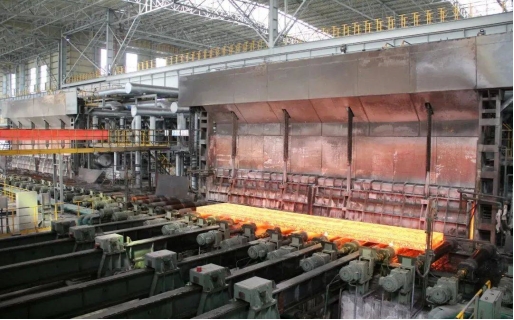
Conceptual characteristics :
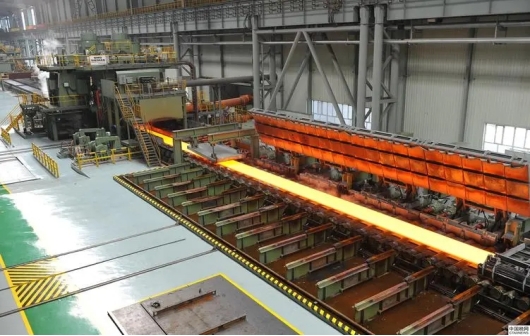
Hot rolling refers to rolling above the metal recrystallization temperature.
Recrystallization means that when the annealing temperature is high enough and the annealing time is long enough, new strain free grains (recrystallization core) will be generated in the fibrous structure of deformed metal or alloy, and the new grains will grow continuously until the original deformed structure completely disappears, and the properties of metal or alloy will also change significantly. This process is called recrystallization, The temperature at which new grains start to form is called the starting recrystallization temperature, and the temperature at which the microstructure is completely occupied by new grains is called the ending recrystallization temperature. Generally, the recrystallization temperature we call is the arithmetic mean of the starting recrystallization temperature and the ending recrystallization temperature. Generally, the recrystallization temperature is mainly determined by the alloy composition, deformation degree, original grain size Annealing temperature and other factors.
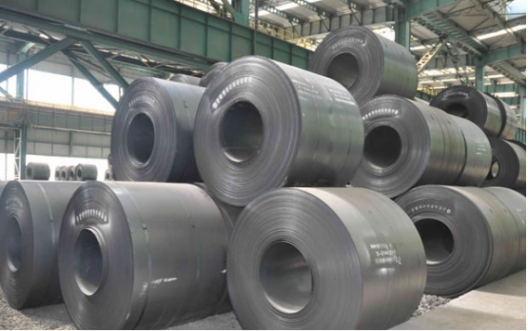
The above is the simple principle of theoretical hot rolling, which is mainly reflected in the actual production of our aluminum processing industry when the ingot is heated to a certain temperature in the heating furnace, that is, above the recrystallization temperature. The determination of this temperature is mainly based on the phase diagram of aluminum alloy, that is, under the most ideal conditions, The heating temperature is determined as the solidus of the alloy in the multicomponent phase diagram Based on the temperature at 80%, this involves the issue of different alloy multicomponent phase diagrams. The determination of heating temperature is based on 80% of the alloy's solid phase line. In the implementation of the system, according to the actual production situation and the operation of the equipment, additional modifications are made to obtain a temperature suitable for the production of the alloy.
Features of hot rolling:
1. Low energy consumption, good plastic processing, low deformation resistance, unobvious work hardening, easy rolling, and reduced energy consumption required for metal deformation.
2. Hot rolling usually adopts large ingot casting and large reduction rolling, with fast production pace and large output, which creates conditions for large-scale production.
3. The as cast structure is transformed into processing structure by hot rolling, and the plasticity of the material is greatly improved by the transformation of the structure.
4. The characteristics of rolling mode determine that there is anisotropy in the properties of rolled plates. First, there are obvious performance differences in the longitudinal, transverse and high directions of materials; second, there are deformation textures and recrystallization textures, and there is obvious directionality in punching properties.
Production process:
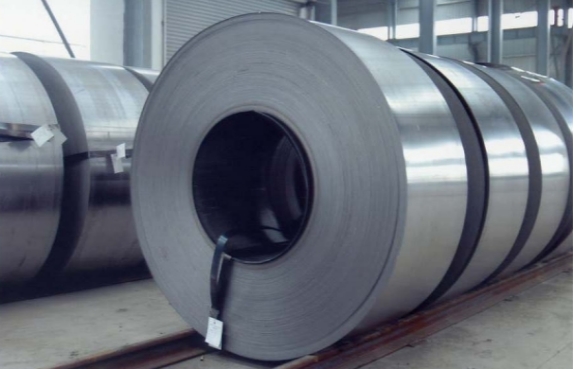
There are many ways of hot rolling, but the most common and simple one is longitudinal rolling, that is, rolling along the length of the ingot. In the rolling process, it is mainly the interaction between the roll, the rolled piece and the emulsion. In addition, there are vertical roll edge rolling outside the roll gap, coiling tension control, etc.
Factors affecting rolling
1) The main parameters affecting the roll parameters are roll shape and surface roughness, which can be determined according to actual experience and the production process requirements of the rolling mill. For example, the selection requirements of the roll surface roughness of the hot rolling mill should be conducive to biting and prevent slipping during rolling, It is also necessary to prevent the surface quality of the product from being affected by the roughness of the roll surface. Surface roughness It refers to the roughness of micro aggregate shape with small spacing and small peaks and valleys on the machined surface of parts. Although so defined, it contains a surface state ground by a specific grinding process. For example, the roughness of grinding a piece is 1.0 work roll, the effect of grinding with 80 # grinding wheel and 150 # grinding wheel is very different, and the effect of other grinding fluids and different grinding processes will also be different.
2) Hot rolling temperature
This hot rolling temperature includes starting rolling temperature and finishing rolling temperature, and the determination of starting rolling temperature is mainly based on the solidus temperature in the alloy phase diagram About 80%, and the final rolling temperature shall be determined according to the alloy plasticity diagram, which is generally required to be controlled above the alloy recrystallization temperature.
3) Rolling speed
Generally, in order to improve production efficiency and ensure a reasonable final rolling temperature, high-speed rolling shall be adopted as far as possible within the allowable range of equipment. In actual production, different rolling speeds shall be determined according to different rolling stages, such as starting rolling stage, paving stage, coiling stage, etc. Different speeds can be adopted for different stages of rolling.
4) Hot rolling reduction system
The determination of hot rolling reduction system mainly includes the determination of total hot rolling processing rate and pass processing rate, and the determination principle of total hot rolling processing rate is as follows:
a) The properties of alloy materials, such as pure aluminum, have a wide high-temperature plasticity range, small hot rolling brittleness, and low deformation resistance, so the total processing rate is large. However, for hard aluminum alloys, the hot rolling temperature range is narrow, and the hot brittleness tendency is large, so the total processing rate is generally smaller than that of soft aluminum alloys.
b) To meet the requirements of surface quality and performance of the final product, such as supplying cold-rolled billets, the total processing rate of hot rolling should leave sufficient cold deformation to facilitate the control of product performance and obtain good cold-rolled surface quality.
c) The rolling mill capacity and equipment conditions, the greater the difference between the maximum working opening and the minimum rolling thickness of the rolling mill, the thicker the ingot, and the greater the total hot rolling processing rate. However, the ingot thickness is limited by the opening of the rolling mill and the length of the roller table.
Principles for determining hot rolling pass processing rate:
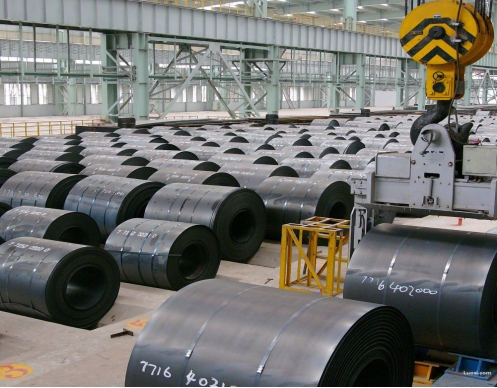
The high temperature performance, biting conditions, product quality requirements and equipment capacity of the alloy shall be taken into consideration when formulating pass processing rate. The principles for determining pass processing rate in different rolling stages are as follows:
a) At the beginning of rolling stage, the processing rate of passes is small, generally 2% - 10%, because the first few passes mainly change the casting structure into processing structure to meet the biting conditions.
b) In the intermediate rolling stage, with the improvement of metal processing performance, if the equipment conditions permit, the amount of major deformation should be increased as far as possible. For hard aluminum alloy, the processing rate can reach more than 45%, and for soft aluminum alloy, 50%. The rolling with large reduction will produce large deformation heat, supplement the heat loss of strip in the rolling process, and help maintain normal rolling.
c) In the final rolling stage, the general pass processing rate decreases. In order to prevent the hot rolled products from producing coarse grains, the processing rate of the last pass of hot rolling should be greater than the critical deformation (15% - 20%). The last two passes of hot rolling have low temperature and large deformation resistance. The reduction distribution should maintain good strip shape, thickness deviation and surface quality.
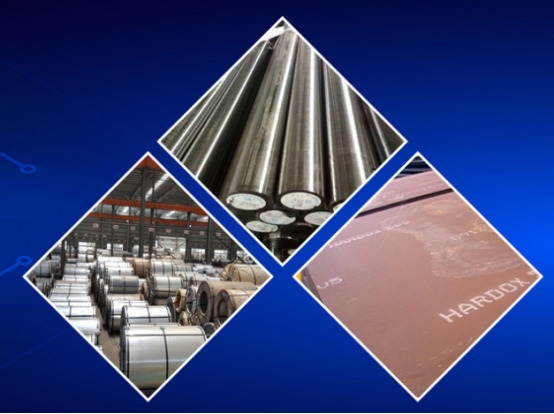
hot-rolling purpose :
1. It is applicable to general structural steel and hot-rolled steel plate and strip for engineering, and can be used for welded pipe, cold rolled material, bicycle parts, and important welding, riveting and bolting components.
2. Used for cold rolling and deep drawing products.
3. Make stamping and structural parts of automobiles, tractors, engineering lifting machinery, small light industrial and civil machinery.
4. Make containers and bare metal structures.
5. Welded pipe, steel structure.
6. Pipelines for oil and gas transmission.
7. Automobile girder and cross beam.
8. Special steel strip for automobile wheels.
9. Anti sliding plate, stairs, ceiling step, etc. for structures.